 I wrote a new book about donor conception. Why? Because someone I love was conceived through donor conception. She's getting to the age where she has questions, and other kids have questions too. So I wanted to create a book that helps give her, and her mom, language to explain how love and science came together to bring her into this world.
For a limited time, you can preview the ebook for free here. Read on for more tips to discuss donor conception with kids! Telling your child about their conception through donor gametes or embryos is a journey—a process that unfolds over time rather than a one-off conversation. It's essential to approach this topic delicately, starting with the basics and gradually adding more details as your child grows. Here are some valuable tips to guide parents through this process: 1. Start Simple, Add Detail as Your Child Ages Begin with the fundamental aspects of the story: "We wanted you very, very much," "We had trouble getting pregnant," "We got help from a doctor," and "We were so happy when you finally came." As your child matures, you can provide more context and complexity. 2. Don't Delay - Begin Early Starting the conversation when your child is young and naturally curious can make it easier. Younger children are often more accepting and less likely to ask intricate or challenging questions. Utilize available resources geared towards parents of younger kids to help initiate the dialogue. 3. It's Never Too Late Even if your child is older, don't hesitate to have the conversation. Resources exist to help parents broach this topic with older kids and adolescents for the first time. Check out materials tailored for these age groups for guidance. 4. Use the Right Language Emphasize the use of the word "donor" when describing the individuals who contributed gametes or embryos. Regardless of family structure, using accurate terminology is crucial to help your child understand their conception story. 5. Keep the Conversation Open Ensure your child knows they can come back to you with further questions at any time. Let them understand that questions about their conception are welcomed and that you're there to provide honest and supportive answers. 6. Respect Their Story Encourage your child to feel comfortable discussing their conception within the family. Striking a balance between privacy and secrecy is crucial—avoid making their story a secret, as it might imply shame or something wrong about their conception. 7. Share Information Appropriately While not immediately, ultimately, any information you possess regarding their conception should be shared with the child, including identifying information if available. 8. Addressing the "Can We Meet?" Question Many children may express curiosity about meeting their donor(s). Assure them that it doesn't mean they're looking to replace you. Answer honestly, considering factors like identifying information availability and the donor's wishes for anonymity. 9. Regularly Check-In Periodically revisit the conversation to see if your child has additional questions or thoughts. Don't assume silence means they're not thinking about it—they might avoid the topic if they sense discomfort on your part. Navigating conversations about donor conception can be complex, but with patience, honesty, and an open heart, parents can create a safe and supportive environment for their child's understanding and acceptance of their unique family story. Remember, it's a process that evolves with time, and your ongoing support will be invaluable to your child. Did you know there’s a Donor Conception Awareness Day? Visit https://donorconceptionawarenessday.com/ for more info! Not sure if this book is a good fit for your needs? Read the book description, and get a free preview here. Enjoy! Joseline
0 Comments
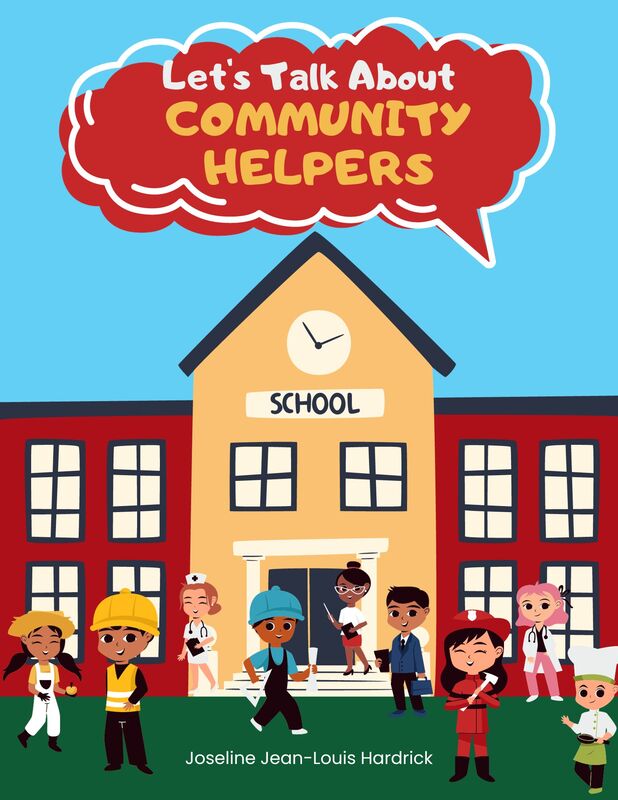 Celebrating Labor Day: Honoring Community Helpers and Their Contributions
As summer transitions into September, nations worldwide gear up to commemorate Labor Day. This significant holiday, observed on the first Monday of September in the United States and other countries, pays homage to workers' contributions and the labor movement's societal impact. Join us in honoring the dedication, hard work, and achievements of those who form the bedrock of our communities. Alongside celebrating Labor Day, let's delve into an exceptional children's book spotlighting the roles of community helpers. Labor Day: A Brief Historical Overview Labor Day traces its origins back to the late 19th century—a period marked by industrialization and societal shifts. Gaining momentum during this era, the labor movement advocated for equitable working conditions, reasonable hours, and improved wages. The idea of a day to recognize the invaluable contributions of workers gained traction. On September 5, 1882, the inaugural Labor Day parade took place in New York City. This event celebrated laborers and underscored the need for labor rights and enhanced working conditions. In 1894, the U.S. government officially declared Labor Day a federal holiday, to be observed on the first Monday of September annually. This decision followed a period of unrest and strikes, including the notable Pullman Strike—a protest against wage reductions and mistreatment by the Pullman Palace Car Company. Labor Day emerged as an acknowledgment and celebration of the labor movement's endeavors to enhance workers' lives. Let's Talk About Community Helpers": A Captivating Children's Book In the spirit of honoring those who contribute to our communities, allow us to introduce the captivating children's book "Let's Talk About Community Helpers" by Joseline Hardrick. This enchanting book takes young readers on a delightful journey through the diverse world of community heroes. From architects and artists to firefighters and farmers, each page introduces a different community helper, highlighting their pivotal role and impact. With engaging rhymes and charming illustrations, "Let's Talk About Community Helpers" offers a unique and positive learning experience for children aged 4 to 8. Through distinctive rhymes for each profession, children not only explore various careers but also grasp the interconnectedness of these roles in creating thriving communities. The book nurtures curiosity, empathy, and a deep appreciation for the tireless efforts of these unsung heroes. A Tool for Education and Inspiration "Let's Talk About Community Helpers" stands as an invaluable resource for parents, educators, and caregivers alike. It serves as a gateway to meaningful discussions about teamwork, compassion, and community involvement. The book's accessible portrayal of each profession allows children to envision themselves in these pivotal roles, cultivating aspiration and ambition. Author Joseline Hardrick extends an invitation to explore the universe of community helpers by joining her mailing list. By doing so, you can access a complimentary preview of the ebook, offering a firsthand experience of the magic within "Let's Talk About Community Helpers." This captivating book is an essential addition to any children's library, delivering an inspiring and educational reading adventure that honors the everyday heroes molding our communities. As Labor Day draws near, let's take a moment to celebrate the contributions of workers and community helpers alike. These individuals play a pivotal role in shaping our world. By sharing stories like "Let's Talk About Community Helpers," we pass on their legacies and kindle the aspirations of the next generation of aspiring community heroes. Sign up for our mailing list here today get a free preview of the eBook for Let's Talk About Community Helpers! 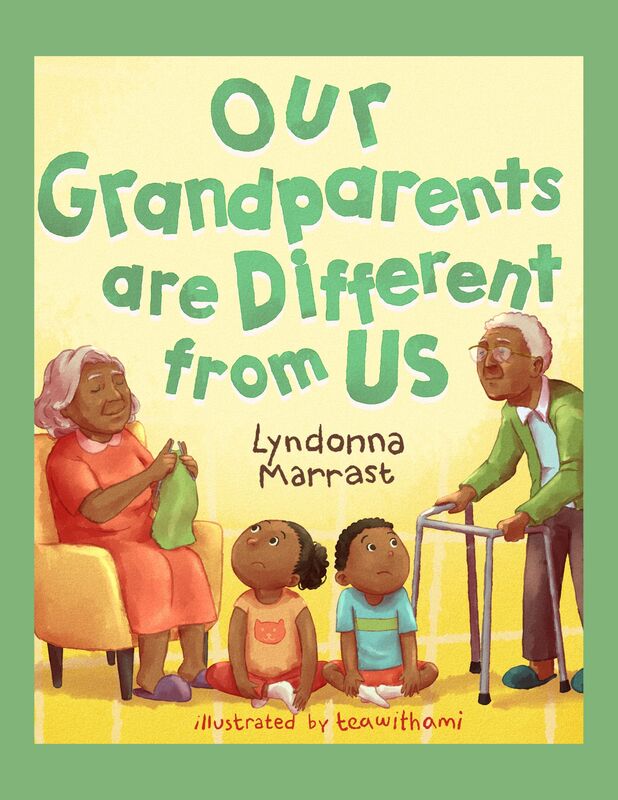 At Any Book That Inspires®️, we are thrilled to announce a significant milestone in our journey of spreading positivity and promoting mindfulness among young readers. Our mission has always been to publish books that celebrate diversity, foster understanding, and encourage mindfulness in children. Today, we proudly present our newest addition to the literary world, "Our Grandparents are Different From Us," a heartwarming and enlightening book penned by the talented Dr. Lyndonna Marrast. Diversity is the cornerstone of our society, and celebrating the various aspects that make us unique is a crucial step towards fostering empathy and creating a harmonious world. With "Our Grandparents are Different From Us," Dr. Lyndonna Marrast beautifully captures the essence of diversity within the realm of family relationships. This charming and thought-provoking book explores the multifaceted nature of grandparents and their unique experiences across generations, cultures, and backgrounds. Dr. Lyndonna Marrast, an accomplished author, educator, and advocate for mindfulness, has crafted a tale that resonates with readers of all ages. With her background in child psychology and a passion for promoting emotional intelligence, she artfully weaves together a narrative that not only celebrates the diversity of grandparents but also encourages young minds to embrace and cherish differences. In "Our Grandparents are Different From Us," readers are taken on a captivating journey through the lives of various grandparents and their grandchildren. From cultural traditions to hobbies and interests, the book highlights the beauty of intergenerational relationships while instilling a sense of mindfulness and open-mindedness. Dr. Marrast's writing fosters an atmosphere of curiosity and respect, allowing children to explore the world around them with fresh perspectives. We invite you to explore more about this remarkable book and its brilliant author at lyndonnamarrast.com/book. The website provides insights into the inspiration behind the book, the author's journey, and how the narrative aligns perfectly with Any Book That Inspires®️'s mission. As we celebrate this new milestone, we want to express our gratitude to all our readers and supporters who have been with us on this incredible journey. "Our Grandparents are Different From Us" marks a significant step forward in our commitment to shaping young minds, fostering empathy, and celebrating diversity. This is just the beginning, and we are excited to announce that there's more to come from us. Stay tuned for more heartwarming stories, thought-provoking narratives, and inspiring characters that will continue to captivate the hearts of readers everywhere. Thank you for joining us in this celebration of diversity, mindfulness, and the power of storytelling. Together, we can create a world where understanding and empathy thrive, one book at a time. Purchase here: https://amzn.to/43LHQ8Z Book trailer - https://youtu.be/DoWMdW_dWwk Enjoy! 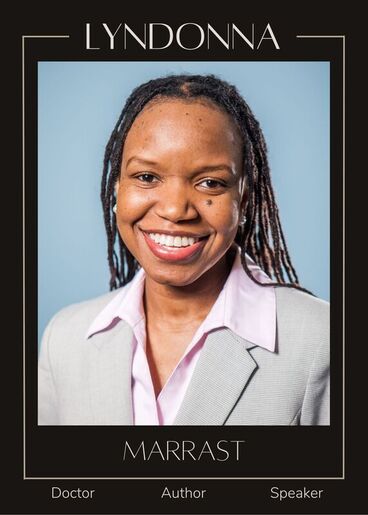 About the Author
Dr. Lyndonna was inspired to write the book from her experience as a physician, which gave her a unique perspective on the importance of family relationships and intergenerational connections. During online schooling brought her own family closer together, including the special relationship between her children and their grandparents. This inspired her to write a heartwarming children's book exploring generational differences and similarities. Through her writing, she hopes to foster a greater appreciation for older generations' wisdom and life experience while celebrating the creativity and unique perspectives of younger generations. 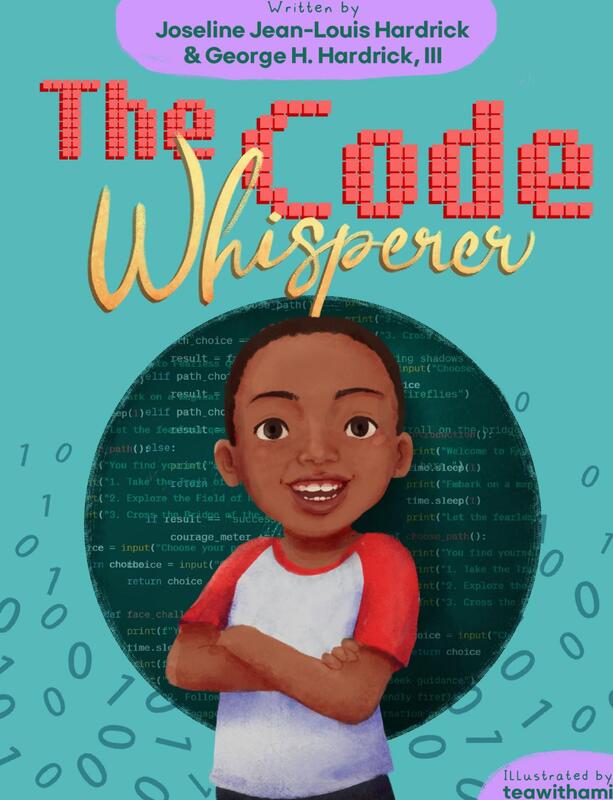 Hello everyone,
I am coming to you with a heavy heart but also a sense of hope and healing. Today, I would like to talk about something very personal and close to my heart – the death of my dear brother three years ago. This was a profound and painful event in my life, one that deeply impacted our entire family. But as I've learned over time, grief, while overwhelming, can also be a powerful force for transformation and creative expression. When my niece asked me for a story to help her understand and cope with her father's loss, I found myself at a loss for words initially. How do you explain the concept of death, an absence so absolute, to a young, innocent heart? Yet, I knew I had to help, I had to find a way to help her navigate this unfathomable pain. That's when "I Miss You Daddy" was born. "I Miss You Daddy" is more than just a children's book; it's a labor of love, a tribute to my late brother, and a guide to help children come to terms with the death of a loved one. I wrote this story through tears and smiles, remembering the times we shared, the love he had for his family, and how he cherished every moment with his children. This book is a tender exploration of loss, love, and remembering, dedicated to my beloved niece and nephew, AJ. Each page of "I Miss You Daddy" is designed to resonate with young readers, to offer them comfort, and to help them remember their loved ones in a positive light. It encourages conversations about grief and provides reassurances that it's okay to feel sad, to miss someone, and to keep their memories alive in our hearts. As we approach Father's Day, a day of mixed emotions for many, I want to extend a personal invitation for you all to read "I Miss You Daddy". I am offering a free preview on my website to give you a glimpse into this heartfelt story. For those who feel this story may help their children, or any young ones in their life, the book is now available for purchase on Amazon. It is my sincere hope that "I Miss You Daddy" can offer solace and help start conversations that can guide young hearts through the process of grief, just as it has helped my niece and nephew. In conclusion, I would like to say that grief is a journey, a very personal one. And while the journey is undeniably painful, it also opens up paths for healing, understanding, and, in my case, creating. It is my hope that "I Miss You Daddy" will light the way for others on this journey, just as the memory of my brother continues to light the way for me. Stay strong, keep love in your hearts, and remember to keep the conversation going. With love, Joseline Hardrick Keywords: Children's Books, Bereavement, Grief, Parental Loss, Father's Day, Emotional Learning, Coping with Loss, Family, Love, Comforting, Memory, Dealing with Death, Understanding Death, Children's Grief. 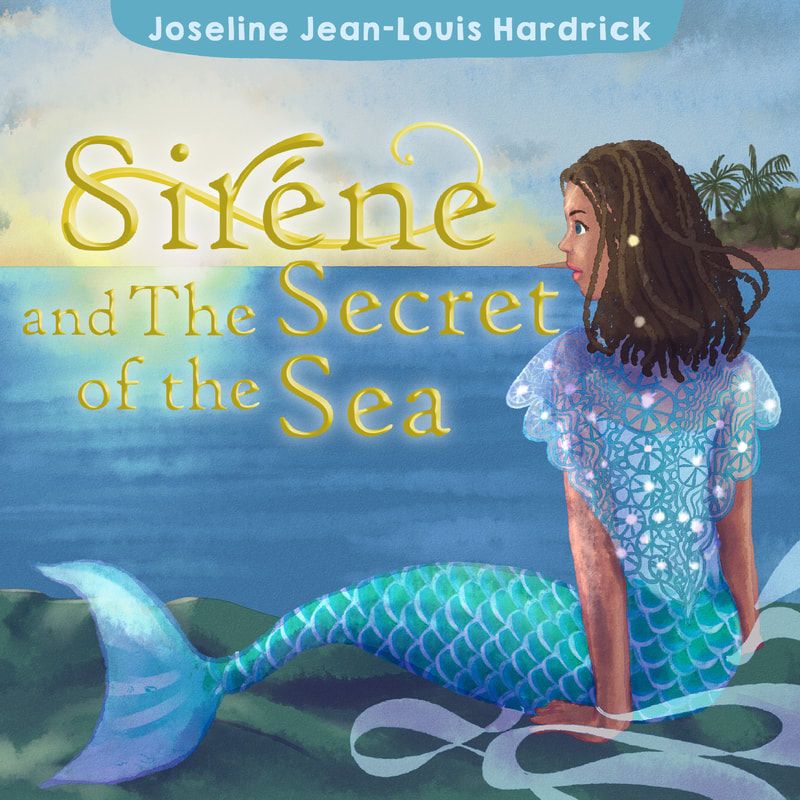 Available Now on Amazon! I hope this message finds you well. I'm thrilled to announce the release of an enchanting new book that your children will undoubtedly love, titled "Sirene and the Secret of the Sea." As a tale that captivates the imagination, "Sirene and the Secret of the Sea" is a thrilling dive into the mesmerizing world of mermaids. It's a story of courage, friendship, and the wonders of the deep blue sea, featuring Sirene, a young and adventurous mermaid who uncovers a secret that could change her underwater world forever. This book offers a new spin on classic mermaid mythology, filled with colorful characters and vivid, imaginative illustrations that will surely captivate your little ones. If your children are fans of "The Little Mermaid", they'll definitely fall in love with "Sirene and the Secret of the Sea." With the recent release of the new "The Little Mermaid" movie, mermaid mania is in full swing. Our book not only feeds into this fascination but provides a fresh narrative that encourages bravery, curiosity, and the importance of cherishing our natural world. It is the perfect companion for all the young mermaid enthusiasts out there. "Sirene and the Secret of the Sea" is now available on Amazon for purchase. Just follow the link below and dive into an extraordinary undersea adventure. Purchase the book today! The book is a perfect gift for your children, grandchildren, nieces, nephews, or any young readers in your life who are drawn to magical, whimsical stories. Bring home the magic of mermaids and make their next reading experience an unforgettable one! Thank you for your time and support. We hope you enjoy the enchanting world of "Sirene and the Secret of the Sea" as much as we enjoyed creating it. Happy reading!    I've participated in the Great American Teach In several times; it's such a rewarding experience. I absolutely love reading and interacting with kids, and they love having guests at the school. If you're a professional who wants to participate, but it seems too intimidating. read on! It's super easy, and with a little preparation, you'll be ready to participate the next time it comes around. What is the Great American Teach In? The Great American Teach In is an annual event that brings together professionals from all over the country to share best practices and learn from each other. Who can participate in the Great American Teach In? The Great American Teach In is open to all professionals, including teachers, librarians, assistant teachers, or even college professors. In fact, anyone who works with children in a formal education capacity can participate. This includes homeschooling parents and after-school program instructors. While the event is geared towards classroom teachers, it is open to all who work in the education field. When is the Great American Teach In? The Great American Teach In is an annual event that takes place on the last Wednesday of October. How do I register for the Great American Teach In? If you're interested in participating in the Great American Teach In, you'll need to register first. You can do this by visiting the event website and creating an account. Once you've registered, you'll be able to log in and access all the resources you need to prepare for the event. Contact your local school for more details. How do I prepare for the Great American Teach In? 1. Choose a topic that you're passionate about. The Great American Teach In is an opportunity to share your knowledge and love for a subject with others. Choose a topic that you know well and that you're excited to share with others. 2. Consider your audience. When preparing your presentation, keep in mind who your audience will be. What level of knowledge do they have about your chosen topic? What questions are they likely to have? 3. Keep it interactive. The Great American Teach In is not a lecture; it's an opportunity for interactive learning. Prepare activities or games that will get your audience involved and engaged in what you're teaching. 4. Make it fun! The more fun you make the Great American Teach In, the more your audience will enjoy it and learn from it. So have fun, and encourage your audience to do the same! What should I bring to the Great American Teach In? When you attend the Great American Teach In, you will be representing your profession. Most importantly, you should bring a positive attitude and a willingness to share your passion for teaching with others! Other than that, here are a few things you may want to bring: -Your resume or CV -A small stack of business cards -Educational materials or handouts related to your presentation or workshop -Any giveaways or door prizes you may be offering. What should I wear to the Great American Teach In? One of the most common questions we get is "What should I wear to the Great American Teach In?" While there is no dress code for the event, I recommend that you dress comfortably and professionally. Many professionals choose to wear business casual attire, but you should feel free to wear whatever makes you feel confident and comfortable. Keep in mind that you'll be doing a lot of walking, so make sure to wear comfortable shoes! What are the benefits of participating in the Great American Teach In? 1. Professional Development – The Great American Teach In can provide valuable professional development opportunities for participating professionals. It is a great way to learn new teaching techniques, as well as network with other professionals. 2. Positive PR for the employer – The event can also be a great way to generate positive publicity for your employer. This can help attract new clients as well as build community support. 3. Fun for Everyone – Last but not least, the Great American Teach In is simply a lot of fun! It’s a great way for professionals to show students what they love about their job, and it’s also a chance for students to get excited about learning. 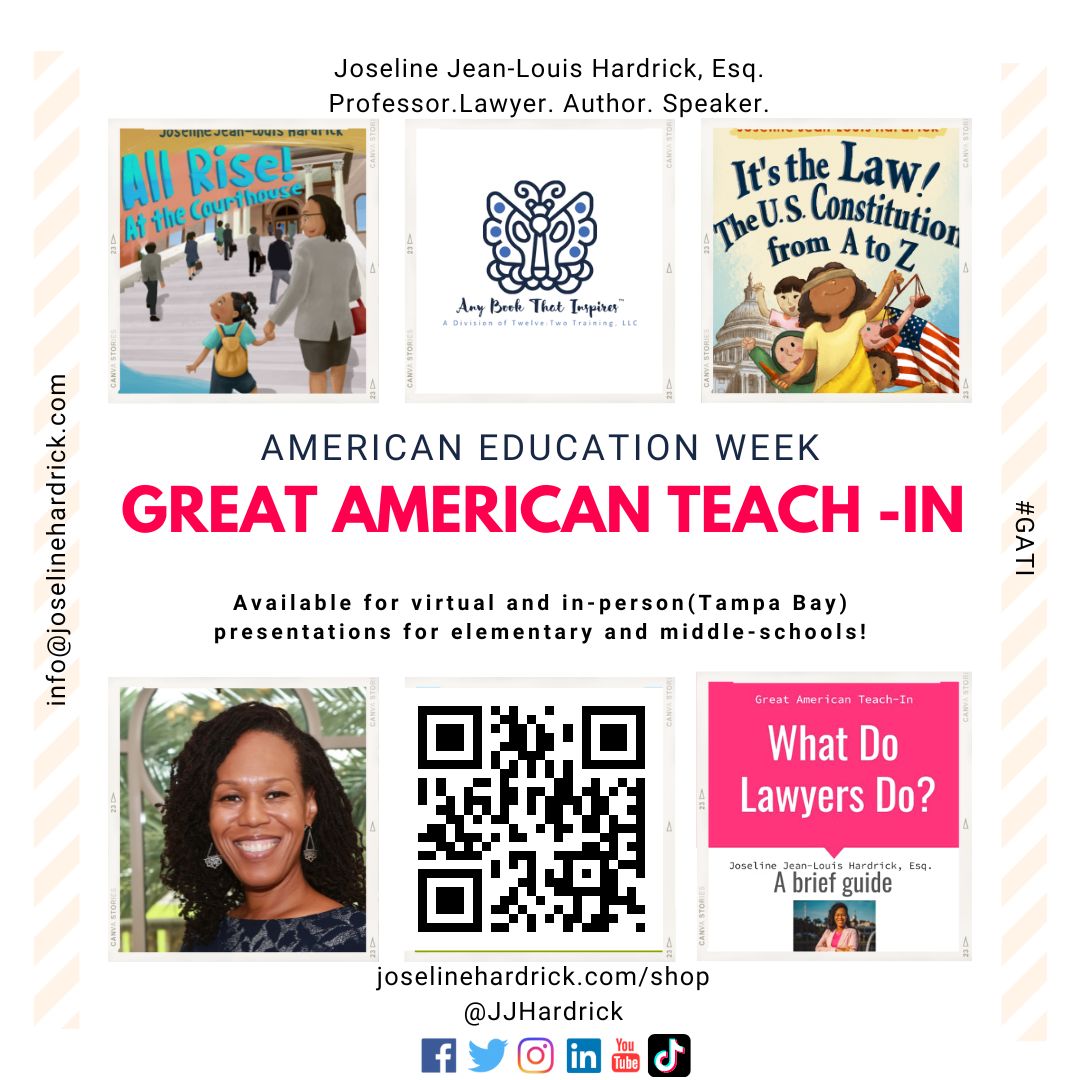 5 Benefits of Amazon Prime For Parents With Young Children
As a parent, it can be very difficult to go shopping, visit the supermarket and purchase needed clothes. From juggling nap times to food preparation, parents are typically strapped for time. Amazon Prime can be a very useful subscription for parents who daily manage a lot of activities at home. Prime is especially beneficial for parents with young children. Let’s look at some of the awesome benefits of Amazon Prime: 1. Free and Quick Shipping Amazon Prime is really winning with its free two-day shipping. They also offer one-day, same-day and two-hour delivery. 2. Discounted Prices on Baby Essentials You can sign up for Amazon Family and get up to 20% off essentials like baby food, diapers and all the other things you need for your baby by signing up for repeat deliveries through Subscribe and Save. 3. Grocery Shopping Made Easy Having a baby can really make going to the grocery store an Olympics level activity. With Amazon Prime, you can spend $15 monthly and order the grocery you need from your phone and they will be delivered directly to your door. 4. Restock Your Pantry Amazon Pantry is a feature of Amazon Prime that gives you the opportunity to order your staples. Get diapers, your baby’s formula, lotions and others delivered to you. When you spend $35 or more, you will qualify for free shipping. 5. Try on Clothes Before Buying It’s not an easy task to shop while handling young children. Amazon Prime allows you to order up to eight items to try on before you buy. You only keep and pay for the ones you like. Interested in signing up for Amazon Prime? Give it a try today. Did you know you could add your name to the Declaration of Independence or the US Constitution? cool right? In this video, I show you how easy it is. Great activity for Constitution Day (9/17), U.S. government, and history lessons. Check out my book "It's the Law! The U.S. Constitution from A to Z" to help kids learn about the Constitution, get fun facts, and see copies of the original document. Purchase here: joselinehardrik.com/shop. Sign the U.S. Constitution or Declaration of Independence here: https://www.archives.gov/founding-docs/join-the-signers In this 2-minute video, I share why I became a children's book author including my desire to increase representation in children's books and encourage mindfulness in kids. Check it out! 📢 New Read Aloud Video! It's the back-to-school season! This book, The Butterfly Hug, is a great resource for kids and their adults to help stay calm as we navigate this new normal. Purchase: https://amzn.to/3CF1o2t Review: http://www.amazon.com/review/create-review?&asin=B099X2BT5B Video: https://youtu.be/AsZUCXMcsUI |
AuthorI am a lawyer, a mom, a wife, a teacher, and a coach. Archives
March 2024
Categories |
 RSS Feed